Energy growing in the Arava
Agrivoltaics
in the hyper-arid desert
[ About ]
An international ecosystemfor agrivoltaics in the hyper-arid desert
Ardom Desert APV is a regional initiative leading research and implementation of agrivoltaics in hyper-arid desert conditions. The initiative brings together 10 kibbutzim of the Hevel Eilot Regional Council with Ardom Holdings and the Doral Energy group, who joined forces to build a first-of-its-kind international ecosystem that advances desert agriculture combined with energy production.
dunamsof agro-solar installations for dual use: agriculture and energy
kibbutzima regional partnership in Hevel Eilot
sites under constructionYotvata, Eilot and an agricultural R&D research facility
[ Ecosystem ]
An agrivoltaic ecosystem in the hyper-arid desert
A complete regional system built around one idea: agriculture and solar energy together, in hyper-arid desert conditions.
Shared responsibility
Connecting the stakeholders: farmers, academia, landowners, entrepreneurs and the regional council.
Education and community
Events, tours and educational activities.
Thousands of dunams of farmland
Growing areas that become a living lab for agrivoltaics.
An advanced research environment
Advanced research infrastructure, a leading research team and extensive collaborations.
Innovation
A space for implementing innovative technology ventures.
Regional partnership
Ten kibbutzim in Hevel Eilot joined in a unique partnership model.
An extreme climate
An arid desert climate.
[ Partners ]
Growing the Arava together

An agricultural cooperative of all ten kibbutzim of the Arava and the Hevel Eilot Regional Council.

The Doral group is a leading developer in renewable energy and agrivoltaics.
YahelLotanNeve HarifNe'ot SmadarKeturaGrofitYotvataSamarElifazEilot



[ Agrivoltaics ]
Agriculture 2.0
Agriculture, technology, energy - on the same plot of land
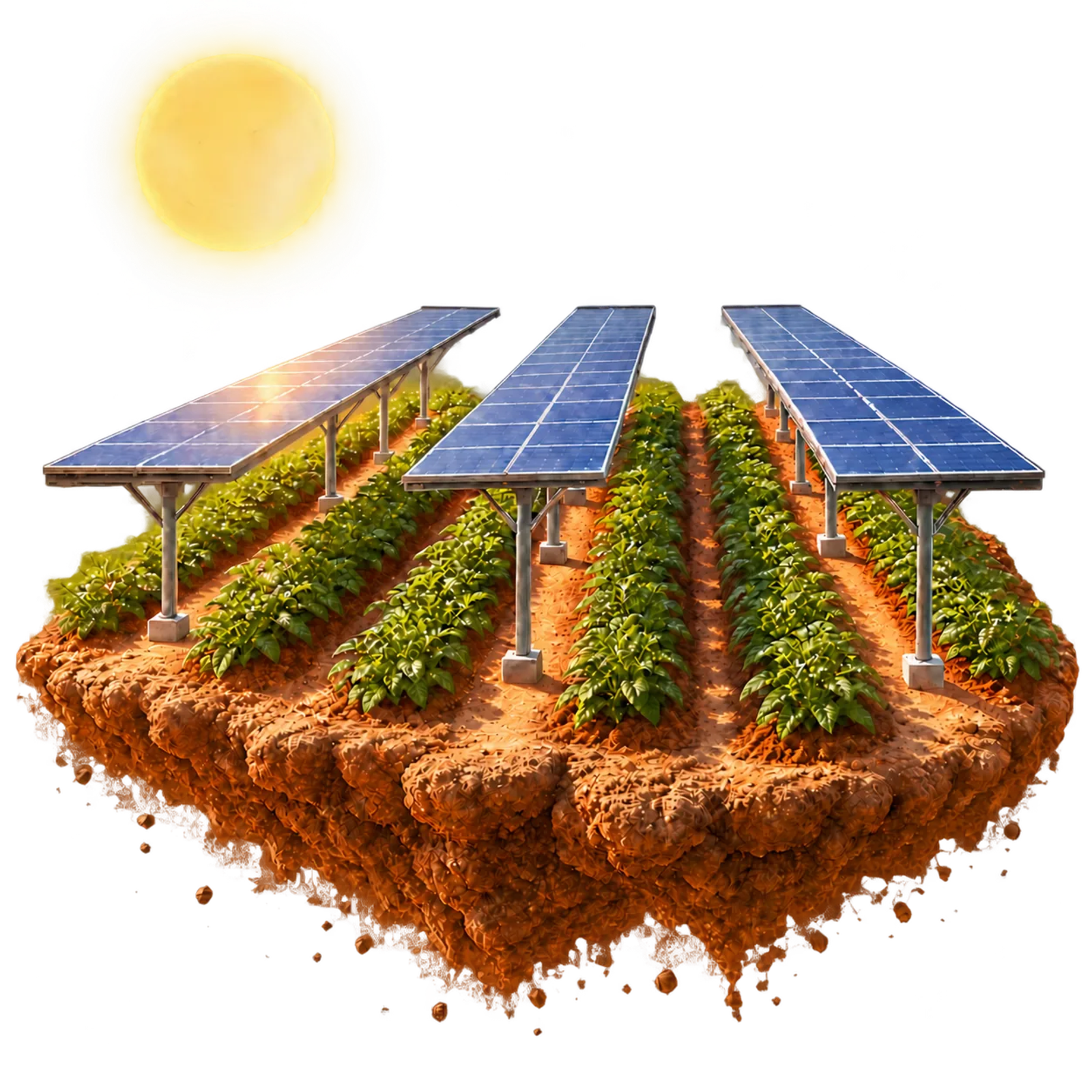
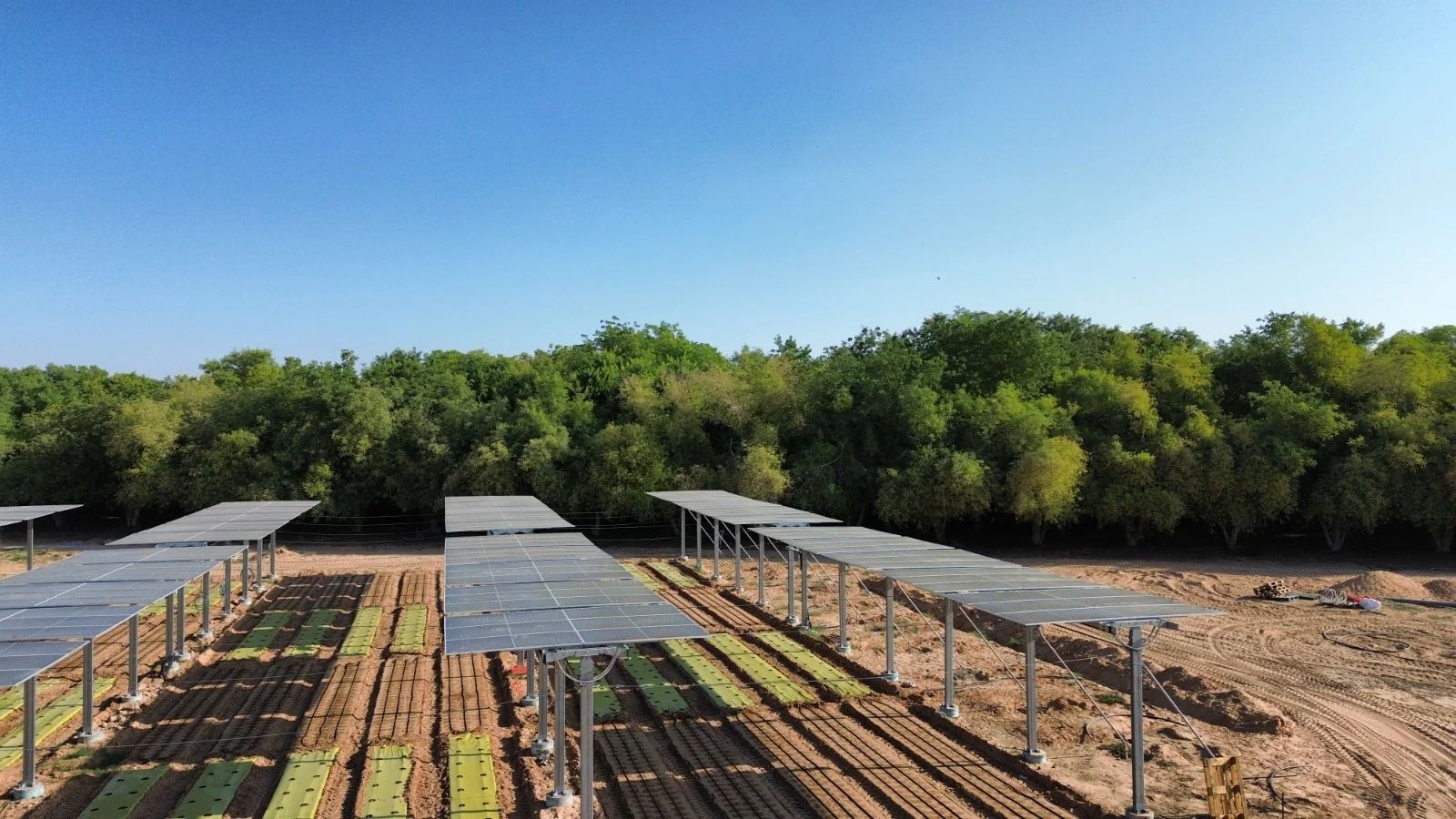
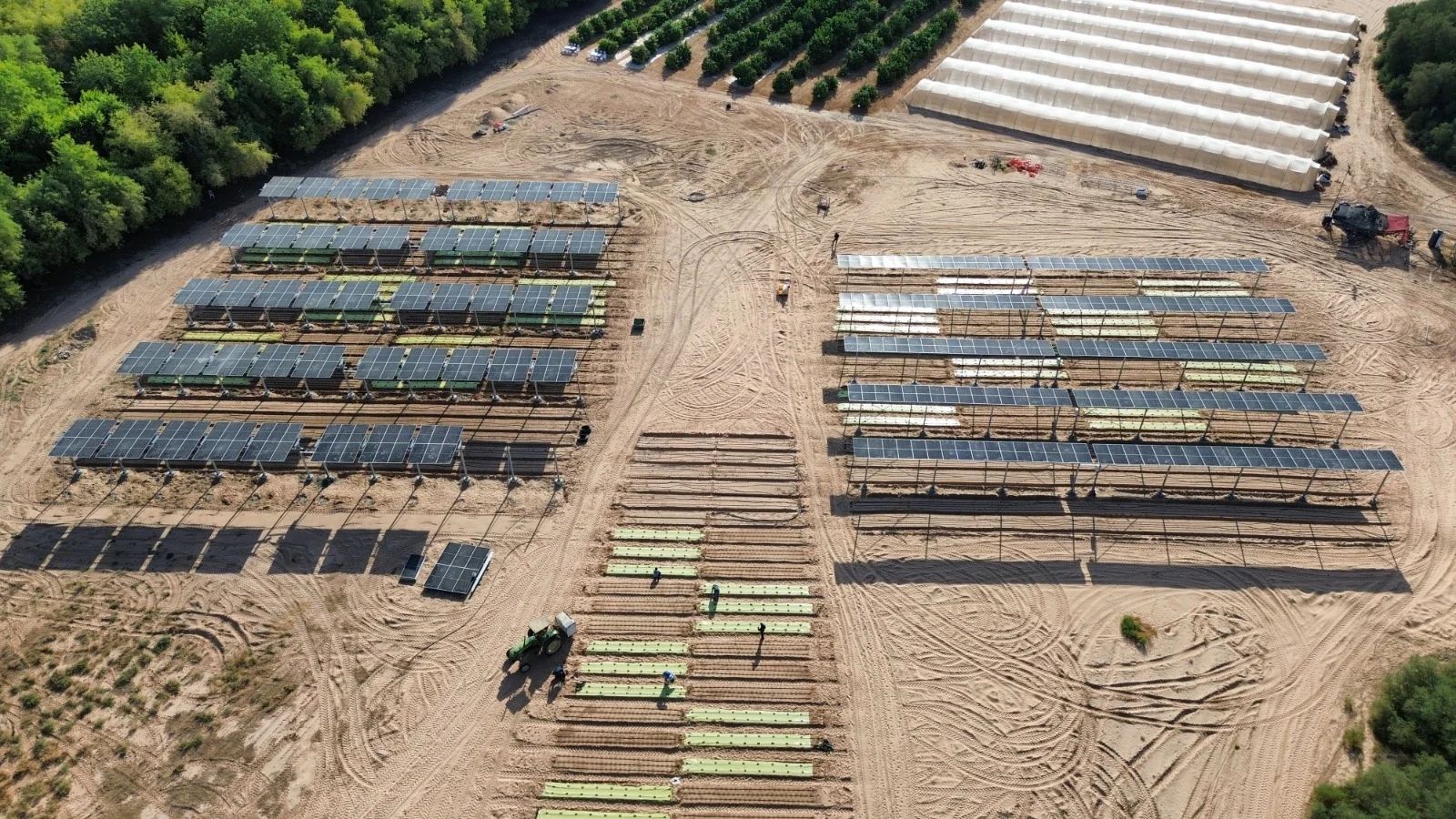
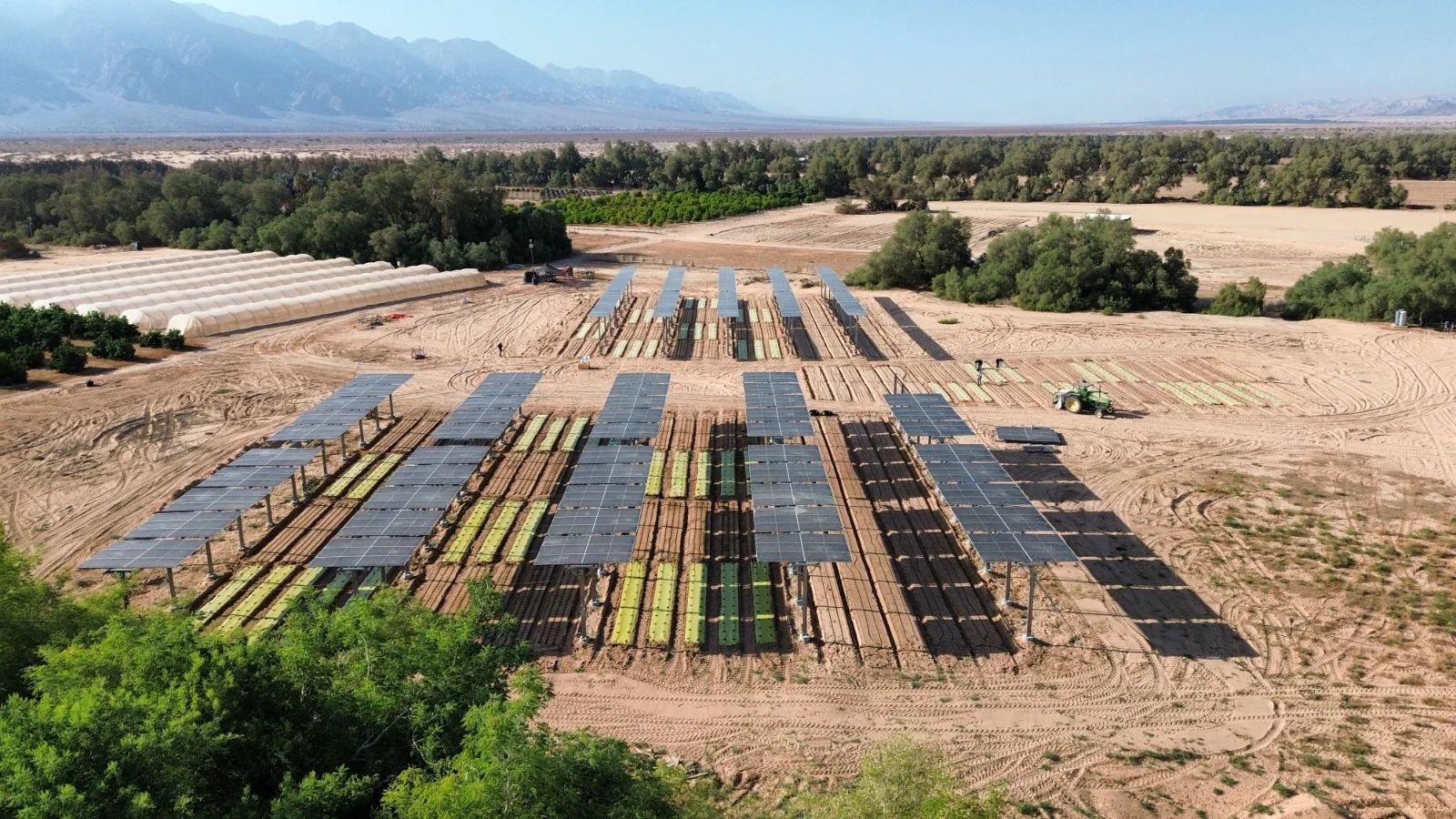
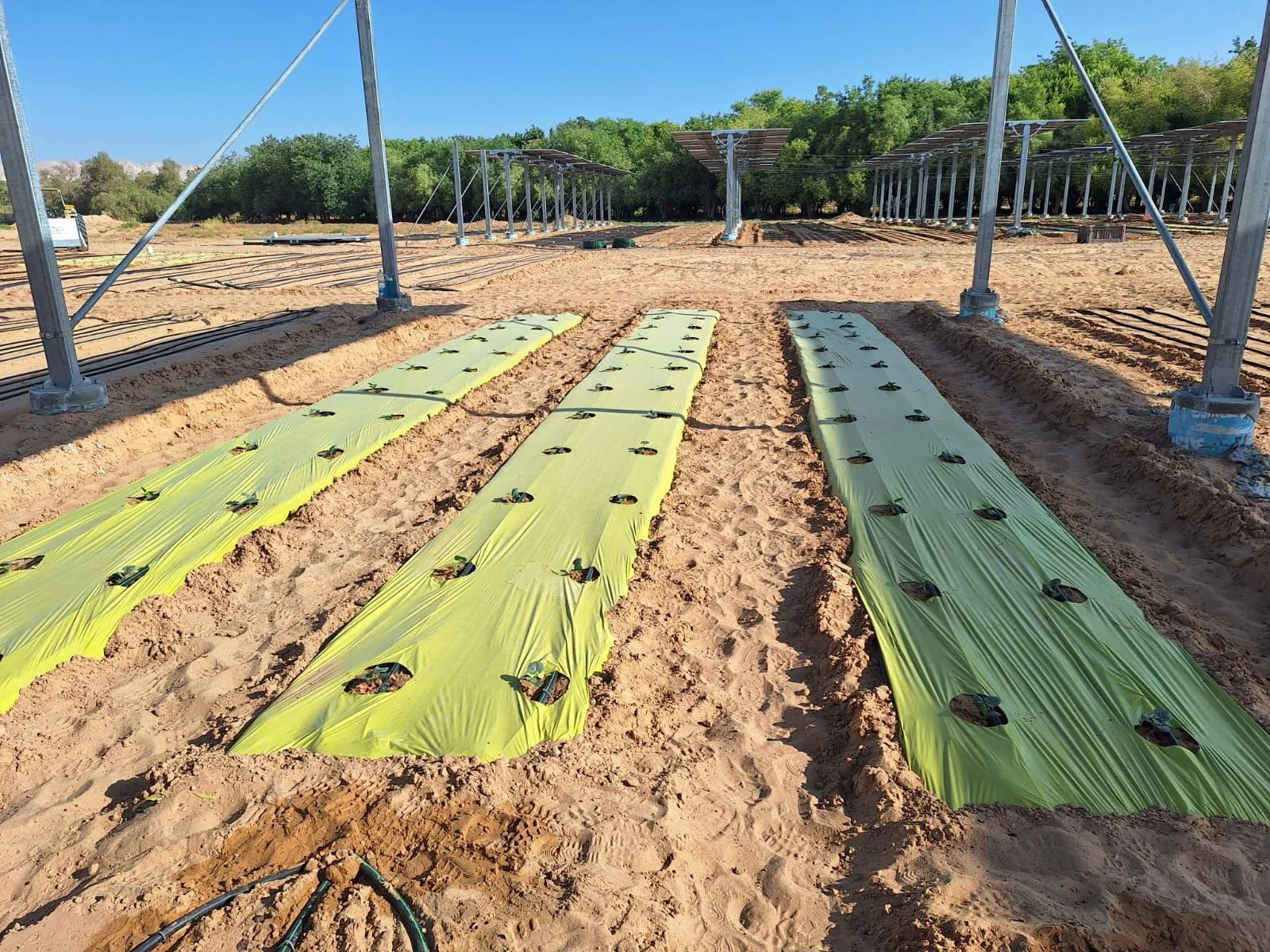
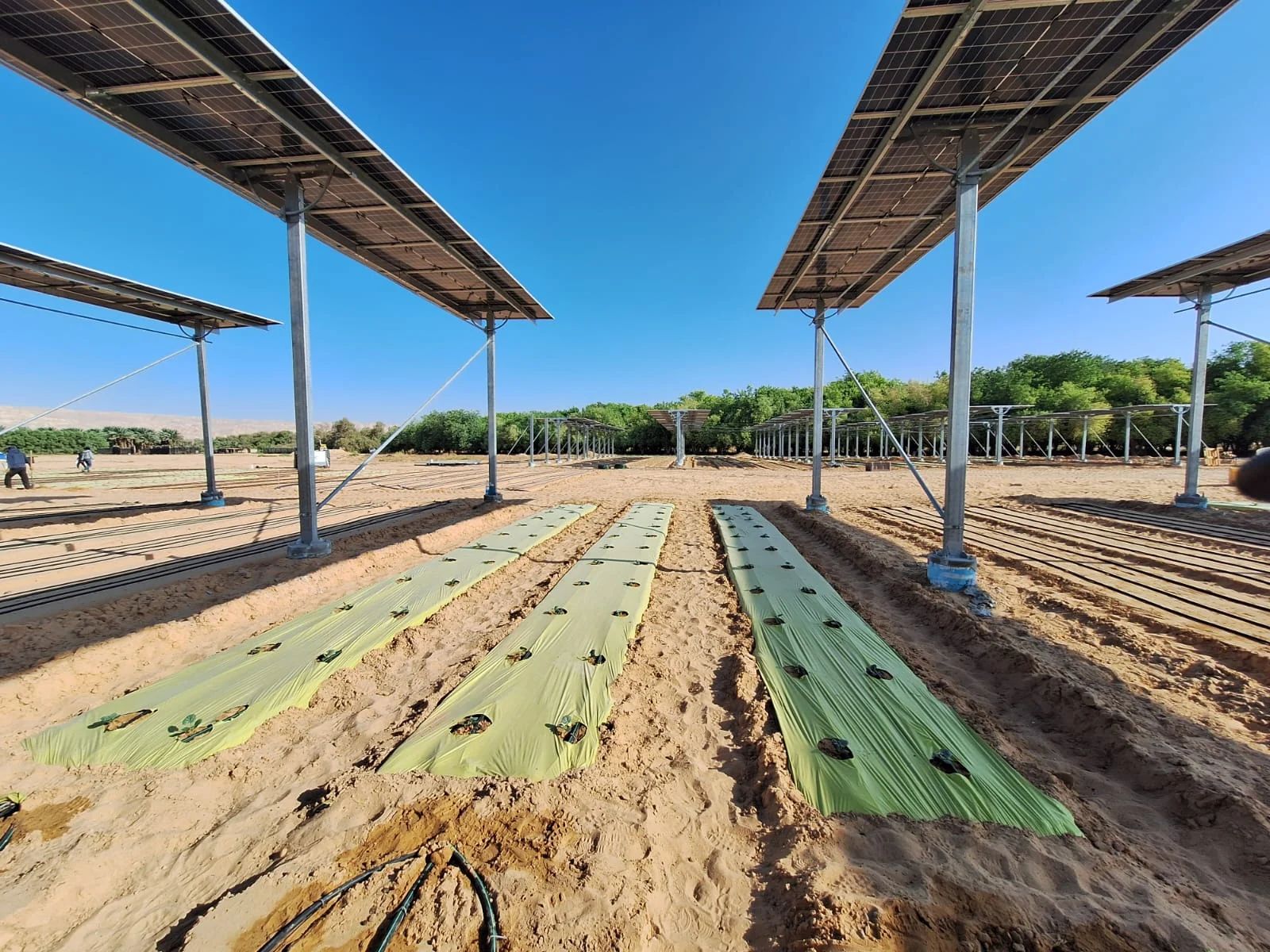
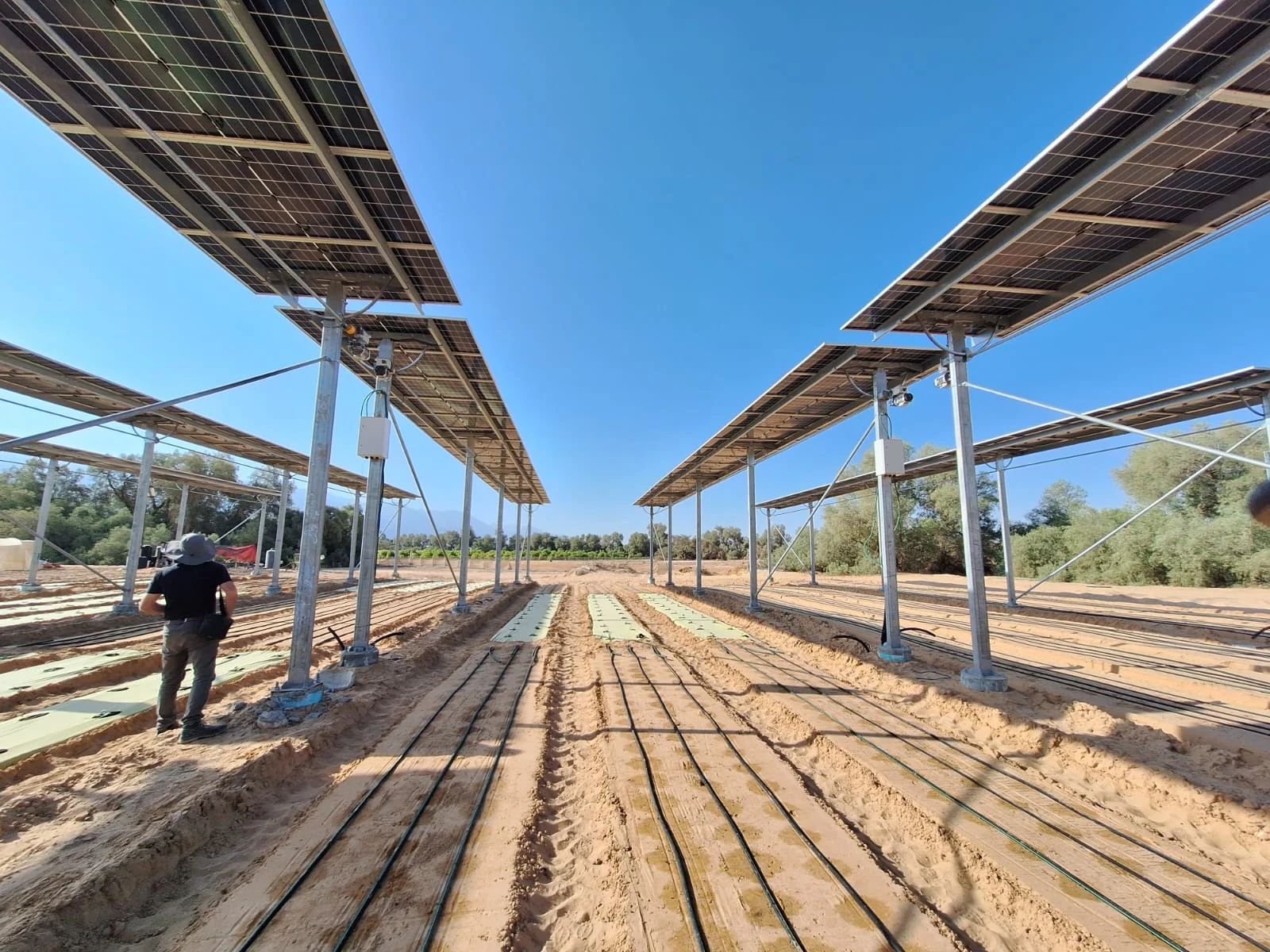
Agrivoltaics combines solar power generation with agricultural activity on the same land at the same time. In the challenging conditions of the hyper-arid desert, combining the panels with crops creates unique advantages: the panels' shade reduces heat stress on the crops, saves water and extends growing seasons.
[ Project sites ]
Agrivoltaic sites in the Arava
i
Imagery © Esri, Maxar, Earthstar Geographics · Sentinel-2 cloudless 2024 by EOX · © OpenStreetMap


[ Research & innovation ]
Agrivoltaic research in the hyper-arid desert
Breaking new ground in applied research and in solutions suited to an extreme climate.
In partnership with and supported by





Advanced R&D infrastructure
30 dunams of agro-solar research installations, and a technology platform for collecting agricultural data and analysing its effects.
Research talent
13 leading researchers working together with the farmers of the Arava.
A wide range of crops
Field crops and orchards, testing new crops and varieties.
Innovation and collaboration
Collaboration with seanovation to advance innovative technologies, with business and technological support, connections to industry and pilot development in real field conditions.
[ Events ]
Register for upcoming events
[ Updates ]
[ Contact us ]