More shade, less panic: the study that busts myths about agri-PV yields
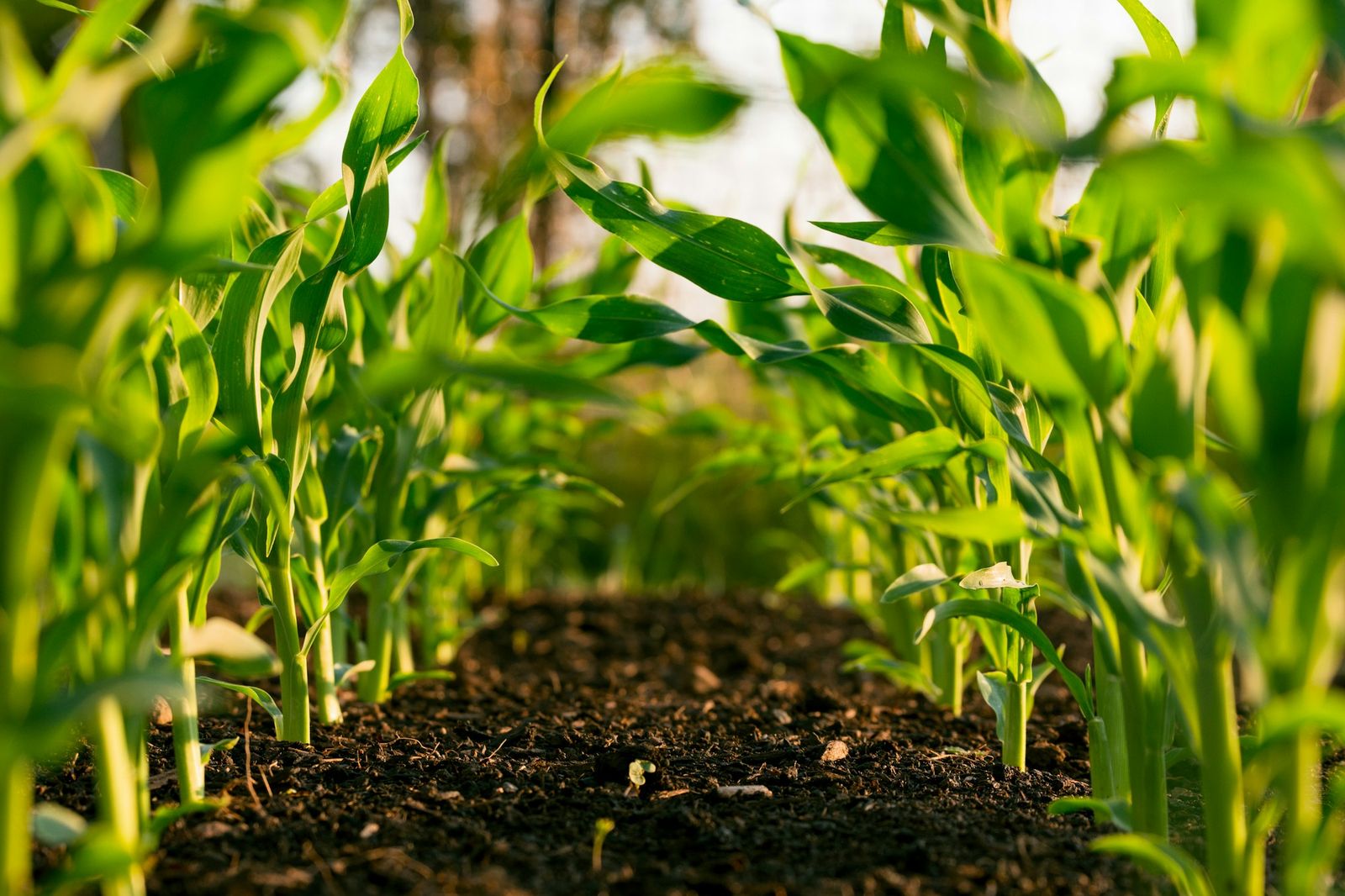
A comprehensive agronomic study led by researchers from the University of Hohenheim and Forschungszentrum Jülich in Germany reveals that crops show a higher-than-expected ability to adapt to and tolerate shading under agrivoltaic systems.
Scientific monitoring shows that in vegetables, berries and sensitive field crops, plants responded to a 30% to 45% reduction in photosynthetically active radiation (PAR) by increasing their specific leaf area (SLA) and raising chlorophyll concentration, while improving water use efficiency (WUE) by up to 25% thanks to reduced stomatal conductance during peak heat hours.
As a result, dry biomass and marketable yield were maintained at the same level as in open fields, while keeping a land equivalent ratio (LER) above 1.5. For agronomists and project developers in Israel, the findings provide a solid scientific basis for setting flexible shading intervals in orchards and field crops, without fear of a drastic drop in yields.